Poker Dealer School: How to Become a Poker Dealer
The skills, training, licensing and auditions behind a job in the dealing box — explained plainly.
How Training WorksPoker Dealer School, Explained Plainly
If you have searched for a poker dealer school, you have probably found a mix of ads, forum threads and casino job listings that each tell part of the story. This site puts the whole path in one place: what poker dealers actually do on a shift, the hand skills a school teaches, the different ways to train, how state gaming licenses work, what happens at an audition, and how to judge a program before you pay for it.
Poker dealing is a skilled service job. A good dealer runs the game: pitches cards accurately, keeps the action moving, reads the betting, splits pots correctly, takes the rake where the room charges one, and does it all while staying friendly with players who may be having a bad night. None of it is mysterious, but almost all of it is physical — it lives in your hands and your timing — which is why most people train at a school or in a casino program instead of teaching themselves from videos.
21+ note: Most U.S. casinos and many card rooms require gaming employees to be at least 21, and Nevada law sets 21 as the minimum for any gaming employee. Some states and venues set different ages, so check with your state’s gaming regulator before you enroll anywhere. This site explains a job; it does not promote gambling. If gambling is causing harm for you or someone close to you, the National Council on Problem Gambling lists free, confidential help.
The Job
What a shift looks like, how dealers rotate between tables, how tips usually work and what the floor supervisor does.
The Skills
Pitching, chip cutting, pot and side-pot math, reading the action and protecting the game.
Training & Cost
Private schools, community colleges, casino in-house programs and online courses, and what drives the cost of each.
License & Audition
How state gaming licenses and registrations work, and what you will be asked to do at a dealing audition.
Choosing a School
The questions to ask any poker dealer school near you before you sign up.
The Path From Beginner to Dealer
Every route into a dealing box follows roughly the same four stages. The order can shift — some casinos hire people first and train them afterward — but the pieces are the same.
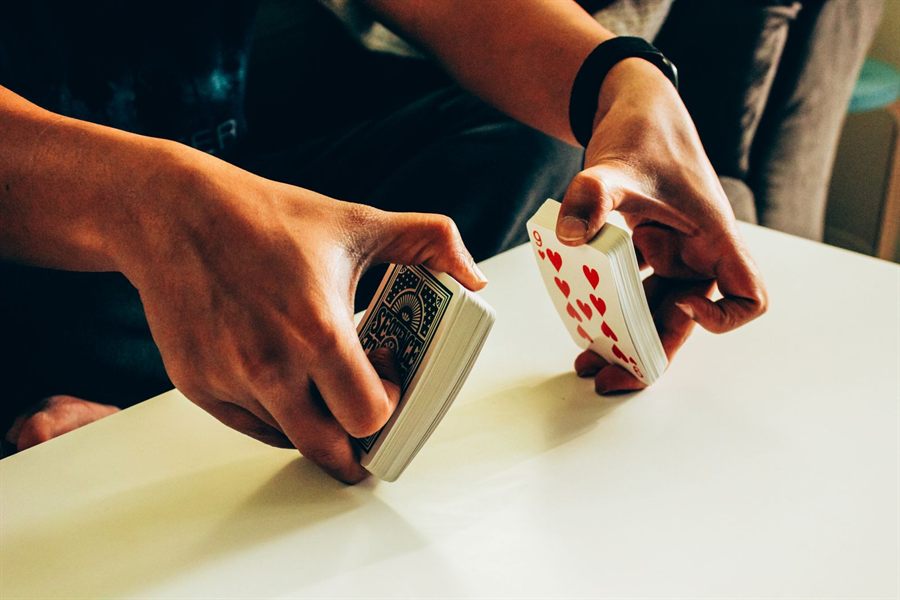
1. Learn the hand skills
Shuffling, pitching and chip handling are drilled until they are automatic. This is the core of every poker dealer school.
The skills in detail →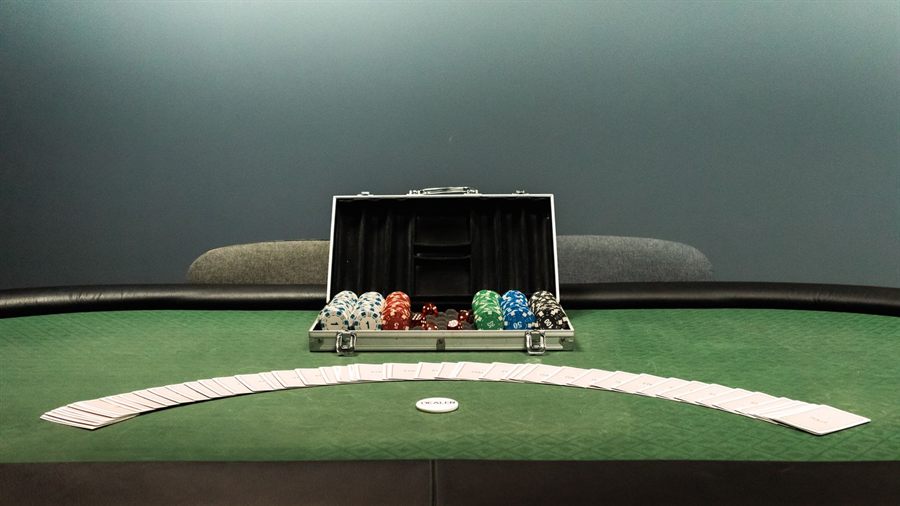
2. Deal practice games
Running full hands with live players teaches pace, betting rules and pot math under mild pressure.
How training works →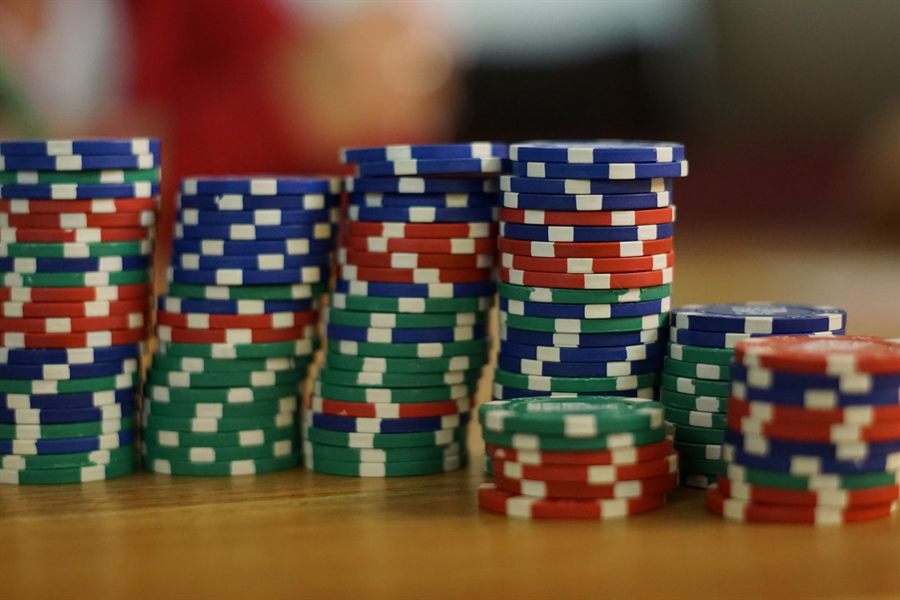
3. Audition and get licensed
You deal for a casino or card room. If they make an offer, you apply for the license or registration your state requires.
Licensing and auditions →Stage four is the one nobody advertises: the first months on the job, when you deal real games for real players and your speed and confidence grow. Most dealers say they learned as much in their first season as they did in school.
What Poker Dealer School Costs, and Why It Varies
People search for poker dealer school cost more than almost anything else, and the honest answer is that it varies too much to quote a single figure. Instead of a number that would be out of date by next year, here is what moves the price up or down:
- The format: a private school, a community college course, a casino’s own program or an online course.
- How many games are taught — poker only, or poker plus table games such as blackjack.
- Class hours and whether open practice time on real tables is included.
- Materials: chips, cards and a practice layout you can take home, or none.
- Whether job-placement help or audition preparation is part of the package.
- Local costs: schools in large casino markets often charge differently from those in smaller ones.
Some casinos cover training for people they intend to hire, which is why it is worth checking local job listings before paying anyone. The full breakdown is on our training and cost page.
Where Poker Dealers Work
Poker is legal in different forms in different states, so the places that hire dealers vary. Commercial casinos, tribal casinos and stand-alone card rooms all employ poker dealers, and some states license card rooms at racetracks or other pari-mutuel facilities. Large markets such as Las Vegas, Atlantic City and parts of Florida and California have many poker rooms; elsewhere there may be just one or two within driving distance.
Each state has its own regulator and its own rules for who may work in gaming. For example, the Nevada Gaming Control Board registers gaming employees in Nevada, the Florida Division of Pari-Mutuel Wagering licenses card-room employees in Florida, and the New Jersey Division of Gaming Enforcement handles casino employee registration in New Jersey. Find your state’s agency early, because its rules set the minimum age, the background check and the paperwork you will face.
If you are looking for local businesses of any kind — from a nearby casino to a place to buy a practice chip set — the Best of the USA directory covers communities across the country.
Is Dealing Right for You?
Dealing suits people who like routine with a little pressure, who are comfortable being watched while they work, and who can stay polite with a tired or frustrated customer. It means long periods of sitting, repetitive hand movements, nights, weekends and holidays. It also offers a skill you can take to many markets, a social workplace and, in busy rooms, the chance to earn well from tips. Spend an evening watching a live poker room from the rail before you commit — it will tell you more than any brochure.
Quick Answers
How long does poker dealer school take?
It depends on the format and on you. Classroom programs are usually measured in weeks rather than months, and many people keep practicing at home after the course ends. What matters to an employer is whether you can deal a clean, steady game at the audition, not how many hours you sat in class.
Do I need a poker dealer certification to get hired?
There is no single national poker dealer certification. The credential that matters legally is the license or registration issued by your state’s gaming regulator, which usually comes after a job offer. A school certificate shows you trained, but the audition is what gets you hired.
Is there a poker dealer school near me?
Possibly, if you live near a casino or card-room market. Look at private dealer schools, community college continuing-education catalogs and the job pages of local casinos, which sometimes run their own training. Our guide to choosing a poker dealer school near you lists the questions to ask each one.
Start With the Hand Skills
Every poker dealer school begins in the same place: pitching, chip handling and pot math. See what each skill involves and how dealers practice it.
See the Dealer Skills